A space for art enthusiasts
How to ensure the authenticity of an artwork?
“The steps to follow to ensure the authenticity of a work of art”
In the art world, where forgeries and fakes abound, ensuring the authenticity of an artwork is a major concern for collectors, galleries, and art enthusiasts. Understanding the methods for verifying the authenticity of a piece is essential for preserving the integrity of the art market and ensuring the value of collections.
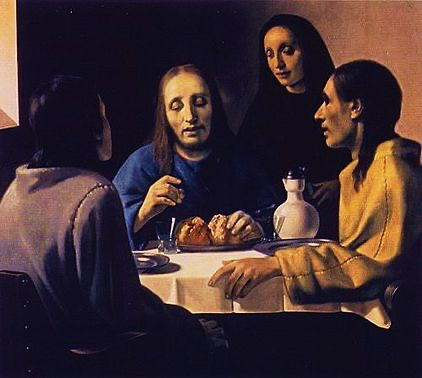
Les Disciples d’Emmaus, “Fake” Vermeer painting, painted by Han Van Meegeren in 1936
©Art and the Bible
Here are the six main ways to ensure the authenticity of a work of art:
specialized expertise
Consulting specialized experts is one of the most reliable ways to verify whether an artwork is authentic. Their in-depth expertise in the artist’s style, technique, and period can enable them to identify the telltale signs of a genuine work or a forgery.
By turning to these experts, collectors can receive informed advice, which helps strengthen their confidence in the authenticity of their acquisition.

The expert carefully examines every aspect of the object with a magnifying glass, searching for hidden details
© Interencheres.com
Provenance
Provenance, that is, the ownership history of an artwork from its creation to the present day, is a crucial element in assessing its authenticity. By carefully examining the history of a work, collectors can better understand its value and its historical and cultural significance, but this traceability above all provides assurance that the artwork they are acquiring is authentic and legitimate.
A well-established provenance, accurately documented and supported by tangible evidence such as invoices, letters, or certificates of authenticity, strengthens the credibility of the artwork.
Certificates of authenticity
Certificates of authenticity issued by recognized experts or by the artist’s heirs are official documents that attest to the authenticity of an artwork.
They also provide collectors with additional assurance and thereby help maintain the integrity of the art market.
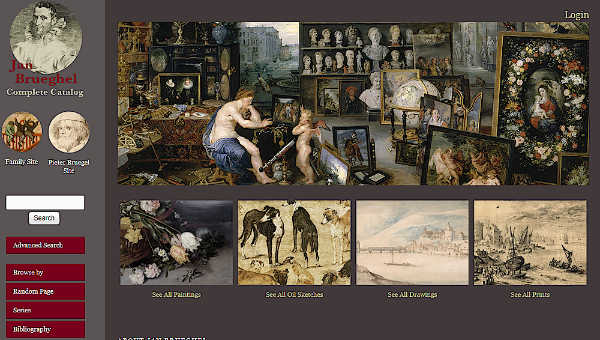
Jan Brueghel Complete Catalog
Homepage of the catalogue, @University of California
© Elizabeth Honig 2021
Consultation of archives, biographical studies, and catalogues raisonnés
Exploring archives, delving into biographical studies, and consulting catalogues raisonnés are crucial steps in ensuring the authenticity of an artwork.
By examining archives, researchers can uncover tangible evidence that confirms the existence and legitimacy of a piece.
Catalogues raisonnés, on the other hand, provide a comprehensive listing of all known works by an artist, offering an essential reference framework for identifying forgeries.
Finally, biographical studies help place the artwork within the context of the artist’s life and work, shedding light on its authenticity through the lens of their personal and artistic history.
Thus, consulting these various documents is an essential step in the authentication process of an artwork, providing collectors with a clearer and deeper understanding of its legitimacy.
Comparison with authenticated artworks
Analyzing a suspected artwork by comparing it with authenticated pieces by the same artist can reveal significant similarities or differences in style, technique, and quality of execution. By carefully observing details, nuances, and distinctive characteristics, experts can detect subtle clues that confirm or challenge the authenticity of the work in question.
Thus, this comparative approach greatly contributes to validating or questioning the legitimacy of the piece being examined.
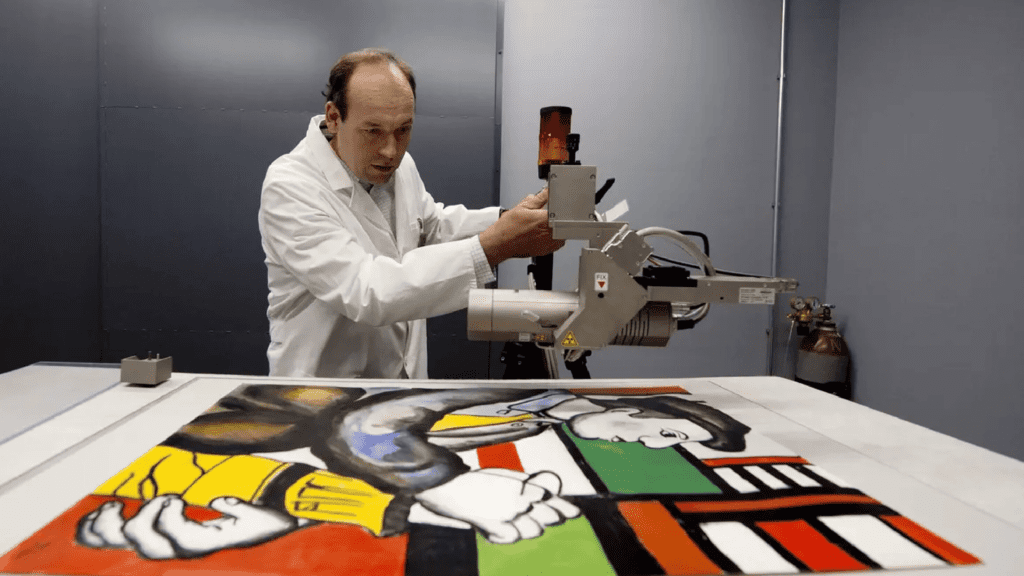
Verification of the attribution of an artwork to Fernand Léger.
Scientific analysis by the Fine Arts Expert Institute laboratory in Geneva.
© Celia Benghozi, Authentication of Artworks: Experts Facing Artificial Intelligence, July 8, 2023
Scientific analysis
Resorting to scientific analyses can help confirm or refute the authenticity of an artwork. Methods such as radiography, spectroscopy, and carbon dating provide valuable information about various aspects of the work, such as its age, the materials used, and the techniques employed by the artist.
Through radiography, it is possible to explore the internal layers of the artwork, thereby revealing potential alterations or anomalies.
Spectroscopy allows the chemical composition of pigments and materials to be analyzed, offering clues about their authenticity and their compatibility with the period in which the artwork was created.
Finally, carbon dating can provide precise information about the age of certain materials, helping to corroborate or challenge historical data associated with the artwork.
These scientific analyses are therefore indispensable tools in the authentication process, providing tangible evidence that either supports or questions the legitimacy of a piece.
In conclusion, ensuring the authenticity of an artwork requires a multidimensional approach, combining expertise, documentation, and scientific analysis. Exercising caution is essential when acquiring an artwork, and by following these principles, collectors and art enthusiasts can protect themselves against forgeries and preserve the value and integrity of their collections.